
Explore the richness of life on our planet and learn why biodiversity matters for ecosystems people and the future of humanity
Biodiversity is a term you’ve probably heard in discussions about nature climate and conservation. But what exactly is biodiversity and why does it play such a critical role in sustaining life on Earth? In this article we’ll explore the meaning of biodiversity some of the science behind it its importance to ecosystems and human well being and what the loss of biodiversity might mean for our future. Along the way we’ll look at real examples research and explain how biodiversity supports the very systems we depend on every day.
Defining Biodiversity
At its core biodiversity refers to the variety of life on Earth at all levels including the genes within species the different species themselves and the range of ecosystems where organisms live. This includes everything from tiny bacteria in soil to towering trees coral reefs vast grasslands and every form of plant animal and microbe in between
In simple terms biodiversity can be understood in three main forms:
Species Diversity
This is the number of different species in an area such as all of the bird and insect species in a forest or all of the fish species in a coral reef.
Genetic Diversity
Within each species there is genetic variation. This variation allows species to adapt to changes survive diseases and maintain healthy populations.
Ecosystem Diversity
Different environments such as oceans forests wetlands deserts and grasslands each support unique communities of life that contribute to the overall diversity of Earth’s biosphere
Why Biodiversity Is Essential
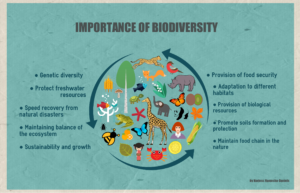
Biodiversity is far more than a scientific or conservation buzzword. It is the foundation of Earth’s life support systems and directly affects everything from the air we breathe to the food we eat. Here’s how:
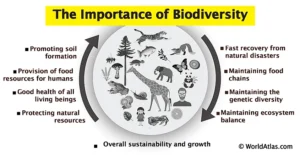
1. Supporting Ecosystem Services
Ecosystem services are the direct and indirect benefits that humans obtain from nature. Biodiversity underpins these services in powerful ways:
Provision of food and fresh water: Plants and animals that make up diverse ecosystems provide our food resources and help fresh water cycles function properly.
Air purification and climate regulation: Trees and plants absorb carbon dioxide and release oxygen while ecosystems help regulate global climate patterns.
Soil formation and nutrient cycling: Organisms in soil break down organic material making nutrients available for plants and crops.
Pollination and pest control: Bees butterflies and other organisms pollinate many of the crops we rely on while predators help control pest species.
Medicine and materials: Many modern medicines are derived from plants and animals and biodiversity provides raw materials for textiles fuel and shelter.
Natural hazard regulation: Wetlands forests and coastal ecosystems can reduce flooding control erosion and buffer climate extremes.
Without this rich variety of life these essential services would not function as effectively and human societies would face serious challenges to basic needs such as water air quality food and health
2. Resilience Against Change
Ecosystems rich in biodiversity are more resilient and can adapt better when faced with environmental stressors such as drought disease or sudden disturbances like storms. In contrast ecosystems with low biodiversity are more fragile and vulnerable to collapse. That means biodiversity helps nature bounce back and maintain stability over time
3. Economic Value
Biodiversity is deeply tied to economic prosperity. Many industries depend on diverse ecosystems:
Agriculture and fisheries: Diverse genetic varieties of crops and fish are essential for food security and resilience against pests and climate change.
Tourism and recreation: Wildlife parks forests beaches and coral reefs attract millions of visitors every year providing jobs and income.
Medicines and biotechnology: New pharmaceuticals and treatments often come from compounds found in nature and genetic diversity fuels discovery.
In many ways biodiversity is a form of natural capital supporting businesses jobs and livelihoods around the world
4. Cultural and Spiritual Value
Beyond practical benefits biodiversity enriches human life. It inspires art literature music and spirituality and contributes to cultural identities across the globe. Many communities have deep connections with the natural world and local species that form part of their traditions and heritage
Threats to Biodiversity
Despite its importance biodiversity is under increasing threat from human activities. Some of the major pressures include:
Habitat Destruction
Clearing land for housing agriculture and industry destroys the homes of countless species. When habitats shrink species populations decline and ecosystems lose balance.
Climate Change
Rising temperatures shifting rainfall patterns and ocean changes force many organisms to move adapt or perish and can disrupt intricate ecological relationships.
Pollution
Contaminants in air soil and water can poison species disrupt ecosystems and reduce biodiversity.
Overexploitation
Overfishing hunting logging and collecting plants faster than they can recover deplete species and reduce genetic variation.
Invasive Species
Non native plants and animals introduced to new environments can out compete native species disrupt food webs and lead to extinctions.
Together these threats are driving declines in biodiversity around the world. For example some global reports have highlighted alarming drops in tree populations and increasing risks to multiple ecosystems due to human impact on land and climate systems
What Happens If Biodiversity Is Lost
When biodiversity declines the ecosystem services that humanity relies on begin to falter. Loss of biodiversity can lead to:
Less reliable food supplies and higher risk of crop failure.
Reduced natural water purification leading to higher pollution and water scarcity.
Increased vulnerability to natural disasters such as floods and droughts.
Loss of potential medicines and genetic resources.
Economic disruption in industries that depend on healthy ecosystems.
In short the collapse of biodiversity means the weakening of nature’s support systems for all life including humans. Without urgent action systems that sustain food water health and climate could be compromised.
How We Can Protect Biodiversity
Fortunately biodiversity can be conserved and restored through human action. Some of the key strategies include:
Protected Areas and Conservation
Establishing parks reserves and protected ecosystems safeguards habitats and species. Marine protected areas forests and grasslands all contribute to keeping biodiversity healthy.
Sustainable Practices
Encouraging sustainable agriculture forestry and fishing helps balance human needs with ecological health. Practices like crop rotation responsible fishing quotas and reduced chemical use benefit biodiversity.
Restoration Projects
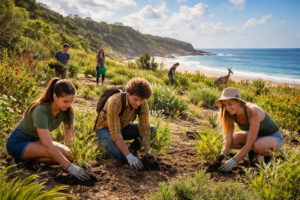
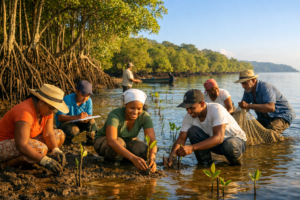
Rebuilding degraded habitats such as reforesting cleared land rehabilitating wetlands and cleaning polluted waterways can help bring back biodiversity to damaged landscapes.
Strong Policies
Environmental laws regulations and international agreements support conservation efforts and often help fund protection of species and ecosystems.
Public Awareness and Education
Teaching people about the value of biodiversity and how everyday actions affect nature can inspire communities to protect the environment and make sustainable choices.
Collective actions from individuals governments businesses and communities can make a real difference in protecting the variety of life on Earth.
Thoughts
Biodiversity is the dazzling variety of life on our planet from genes and species to ecosystems. It is fundamental to the functioning of healthy environments and supports all of the services that allow humans to thrive food water medicine shelter and cultural experiences. Yet biodiversity is under threat from human activity climate change pollution and other pressures. Protecting biodiversity isn’t just about saving charismatic animals and plants it’s about safeguarding the life support systems upon which all of us depend.
Understanding what biodiversity is and why it matters is the first step toward meaningful action. By valuing biodiversity and taking steps to conserve and restore it we can help ensure a stable healthy and vibrant planet for future generations.